

Wood pests like woodworms can cause serious damage to furniture, beams, and wooden structures. To control them, different methods are used in the industry. Two common approaches are Shashel microwave technology and traditional heat treatment. Both use heat in some way, but they are not the same.
Shashel is a modern system that uses controlled microwave energy to generate heat inside wood. Traditional heat treatment usually heats the surrounding environment or the surface of wood. This difference is very important in terms of effectiveness, safety, and results.For more details check out Shashel
In this article, we will compare Shashel and heat treatment in simple words to understand which one works better for wood pest control.
Understanding Traditional Heat Treatment
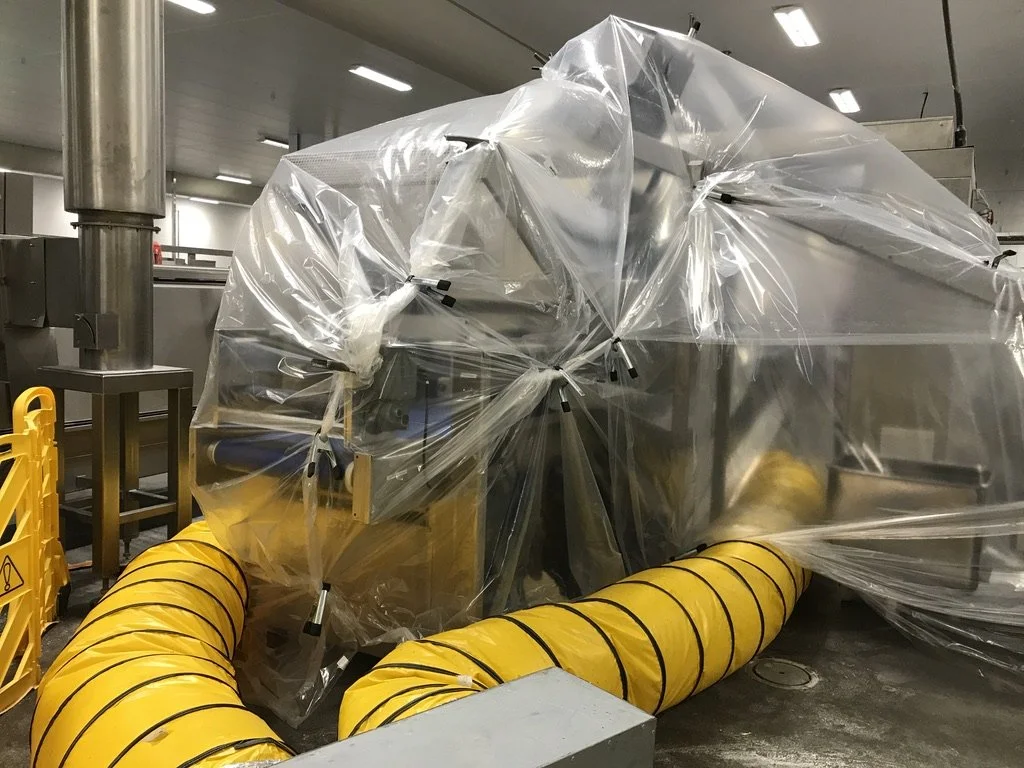
Traditional heat treatment works by increasing the temperature of a room or structure. The idea is to raise the temperature high enough so that pests inside the wood cannot survive.
Usually, hot air or external heating equipment is used. The entire area is heated for a long time until the required temperature is reached.
While this method can work, it has some limitations:
- It takes a long time to heat the whole area
- Large equipment is required
- Heat may not reach deep inside thick wood
- Some areas may remain cooler than others
Because of these issues, results can vary.
Introduction to Shashel Technology
Shashel uses a different approach. Instead of heating the entire environment, it uses microwave energy to heat wood from inside.
This means the heat is created directly inside the infected wood, not just around it.
The key idea is simple: kill pests inside the wood where they live, not only on the surface.
How Shashel Works
The process of Shashel is straightforward:
First, the device is placed near the infected wood.
Second, microwave energy is applied to the structure.
Third, heat is generated inside the wood immediately.
Fourth, wood pests such as larvae, eggs, and adult insects are destroyed.
Finally, the wood remains safe and structurally intact.
This direct internal heating makes Shashel highly efficient.
Key Difference: Internal vs External Heating
The main difference between Shashel and traditional heat treatment is where the heat is applied.
Traditional heat treatment:
- Heats the air around the wood
- Relies on external temperature rise
- Takes time to transfer heat inside wood
Shashel:
- Creates heat inside the wood directly
- Targets insects where they live
- Works faster and more efficiently
This difference is the reason why results vary between the two methods.
Speed of Treatment
Speed is an important factor in pest control.
Traditional heat treatment:
- Takes several hours
- Requires time to heat large areas
- Slow cooling process
Shashel:
- Works quickly
- Heats wood internally in minutes
- Stops pest activity faster
Because of this, Shashel is often preferred when fast results are needed.
Depth of Penetration
Wood pests do not stay near the surface. They live deep inside wooden structures.
Traditional heat treatment may struggle to heat deep layers evenly.
Shashel microwave energy penetrates deep into wood, reaching hidden insects more effectively.
This deep action ensures better results.
Energy Efficiency
Traditional heat treatment uses a lot of energy because it heats the entire space.
This includes:
- Walls
- Air
- Furniture
- Surrounding materials
Shashel focuses only on the affected wood area. This makes it more energy-efficient in comparison.
Safety Considerations
Both methods are generally safe when used correctly, but they differ in application.
Traditional heat treatment involves high temperatures in the entire space, which may require evacuation or careful control.
Shashel uses targeted microwave heating, which is more localized and controlled.
This makes it easier to apply in specific areas without affecting the whole environment.
Impact on Wood Structure
Both methods are designed to avoid damaging wood.
However, Shashel provides more controlled heating inside the wood, which reduces the risk of uneven expansion or overheating in surrounding areas.
This makes it suitable for delicate or valuable wooden items.
Effectiveness Against All Pest Stages
Both Shashel and heat treatment aim to kill all pest stages:
- Eggs
- Larvae
- Adult insects
However, Shashel’s internal heating ensures more consistent results across all stages, especially in hidden areas.
Practical Use in Real Situations
Traditional heat treatment is often used for large-scale pest control in buildings.
Shashel is more flexible and can be used for:
- Furniture
- Beams
- Small and medium wooden structures
- Sensitive or valuable wood items
This makes Shashel more practical for targeted treatments.
Time and Convenience
Traditional heat treatment may require preparation time, setup of large equipment, and cooling time after treatment.
Shashel is more convenient because it:
- Requires less setup
- Works faster
- Needs less space
- Reduces disruption
This makes it easier for both professionals and homeowners.
Cost Comparison
Traditional heat treatment can be expensive due to:
- Large equipment use
- High energy consumption
- Longer working time
Shashel may reduce some of these costs because it is more focused and efficient. Over time, fewer repeat treatments may also lower expenses.
Environmental Impact
Traditional heat treatment does not use chemicals, but it consumes more energy overall.
Shashel uses targeted energy, which can be more efficient in smaller applications.
Both methods are environmentally safer than chemical treatments, but Shashel offers better energy control.
Final Thoughts on Shashel vs Heat Treatment for Wood Pests
Shashel and traditional heat treatment both aim to solve the same problem: removing wood pests. However, the way they work is very different.
Traditional heat treatment uses external heating of large areas, which can be slow and less precise. Shashel uses internal microwave heating, which is faster, more targeted, and more efficient.
For modern wood protection needs, Shashel offers a more advanced and practical solution, especially when precision, speed, and deep penetration are important.